7 verified briefings on Leadership. Each story includes a plain-English summary, why it matters, and the concrete action engineering teams should take.
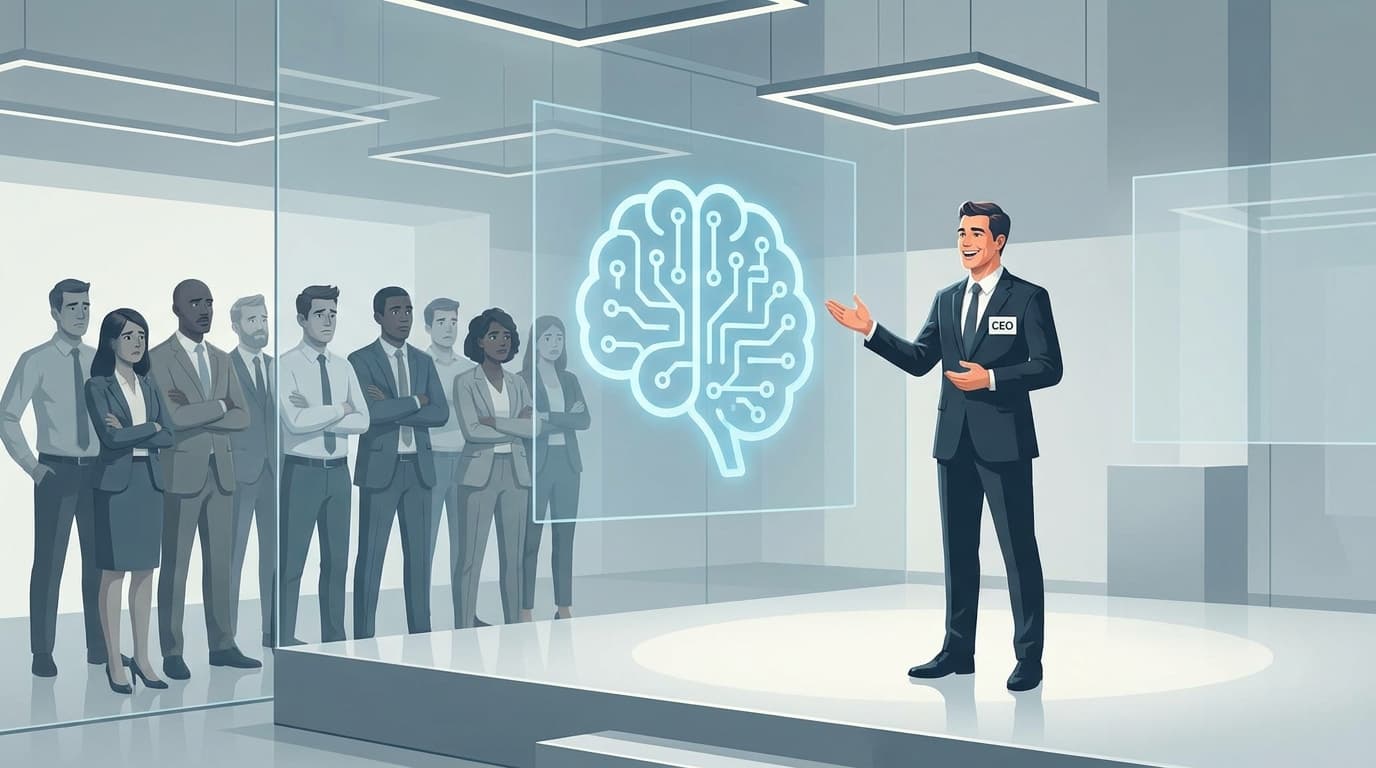
A new survey from CIO.com shows AI remains the top priority for CIOs, but the focus has shifted. CEOs now expect technology leaders to move beyond experimentation and use AI to drive revenue, improve business resilience, and deliver tangible value across the organization, redefining the CIO's role.
Many CIOs find they can't leave their roles because they haven't prepared a successor. Their top deputies are often skilled architects but lack leadership training, a phenomenon known as the "Architect's Trap." This oversight in succession planning creates a critical leadership gap in many organizations.
CIOs are under intense pressure to deliver measurable returns on AI investments. A new survey reveals a significant challenge: only 19% of AI projects are meeting their intended goals. This is forcing a shift from broad experimentation to prioritizing and scaling solutions that demonstrate clear business value.
Box founder Aaron Levie warns of "AI psychosis," where leaders overestimate AI's ability to replace jobs they don't fully understand. This mindset is driving workforce reductions, as seen with recent layoffs at companies like ClickUp, which replaced a significant portion of its staff with AI agents.
Tech leaders often treat board meetings as one-way presentations, focusing too heavily on technical details. An REI CIO's experience shows the pitfall of this approach, highlighting that boards expect a strategic dialogue, not just a detailed report on roadmaps, to guide the company's direction effectively.
A Harvard Business Review article explains how a board presentation can be the deciding factor in a CEO selection process. It offers guidance for aspiring executives on how to prepare and deliver a presentation that demonstrates strategic vision, leadership qualities, and a deep understanding of the business.
The legal dispute between Elon Musk and OpenAI is reaching its final stages. The core of the debate has now centered on the credibility and trustworthiness of OpenAI's CEO, Sam Altman. This development could have significant implications for the company's future leadership, governance, and public perception.