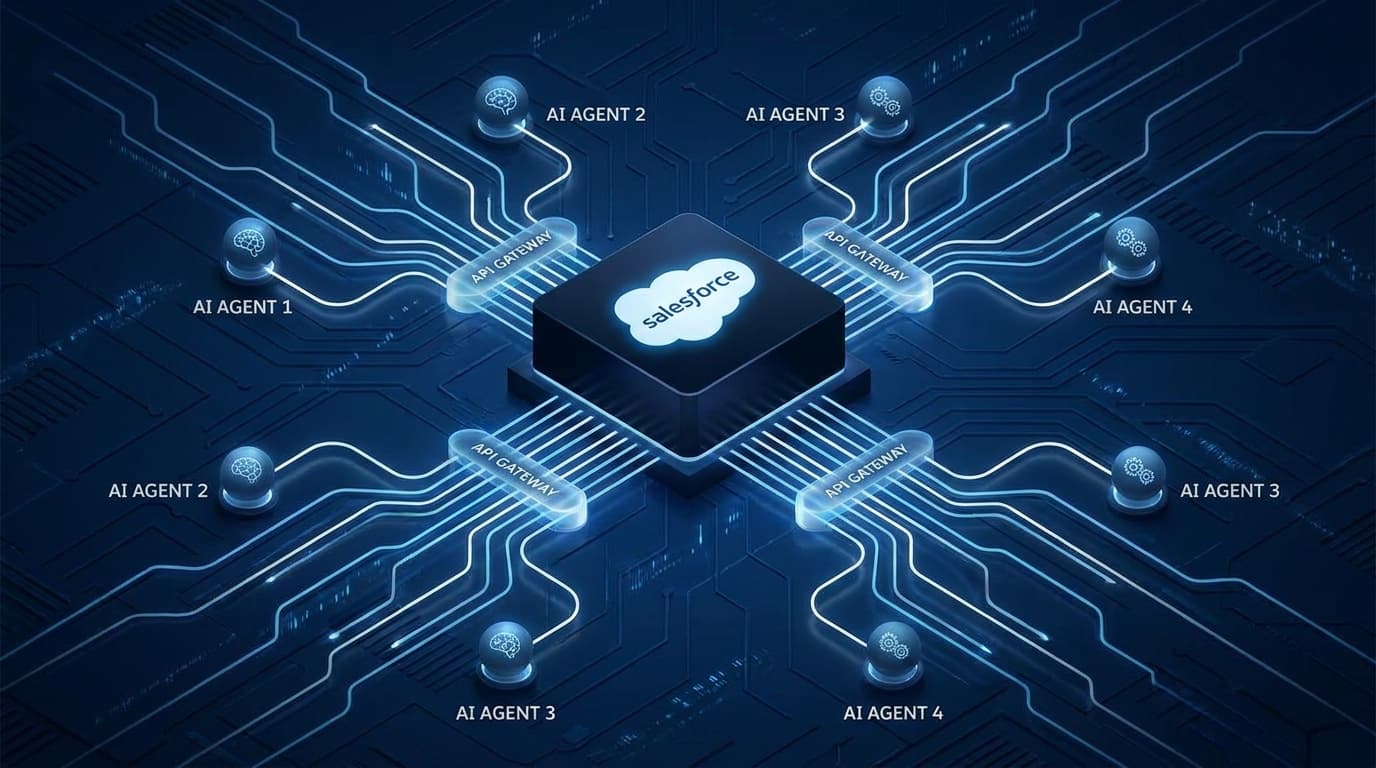
Salesforce has launched Headless 360, a new offering marking a significant strategic shift. The move is a response to the rise of AI agents and automated workflows, which reduce the need for users to stay within a single application. This change will impact IT architecture and budgeting.
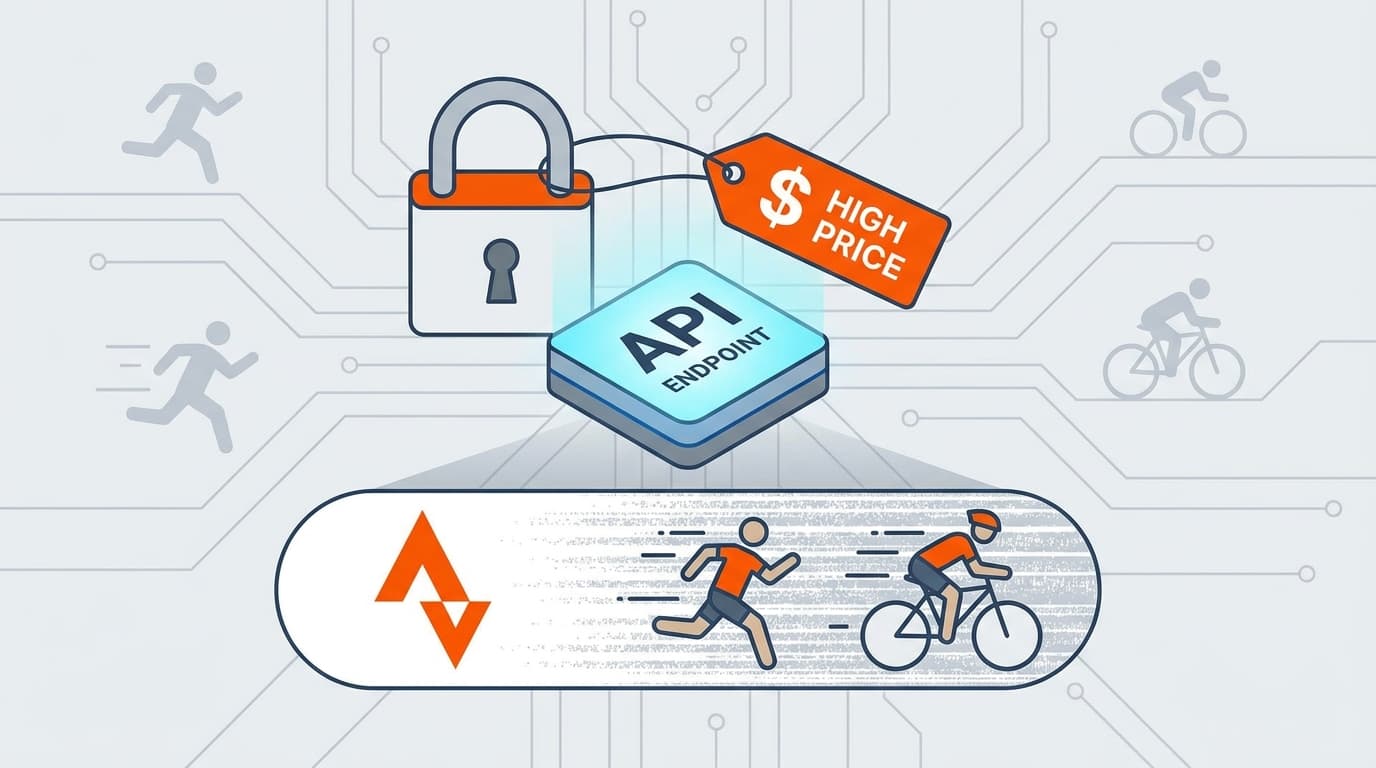
Strava is now requiring developers to pay a subscription to access its API. The fitness platform cites the rise of zero-code AI tools and data scraping for degrading performance. This change marks a significant shift for developers building apps on Strava's data, reflecting a broader industry trend.
Shopify has launched GraphQL Cardinal, a new execution engine that uses a breadth-first approach instead of the traditional depth-first method. This change delivers significant performance gains, including up to 15x faster field execution, 6x lower garbage collection overhead, and improved latency for large-scale queries.
Salesforce has launched Headless 360, a major architectural shift away from traditional application interfaces. The move allows AI agents, bots, and external tools to access Salesforce data directly via APIs, paving the way for new automated workflows and potential usage-based pricing models.
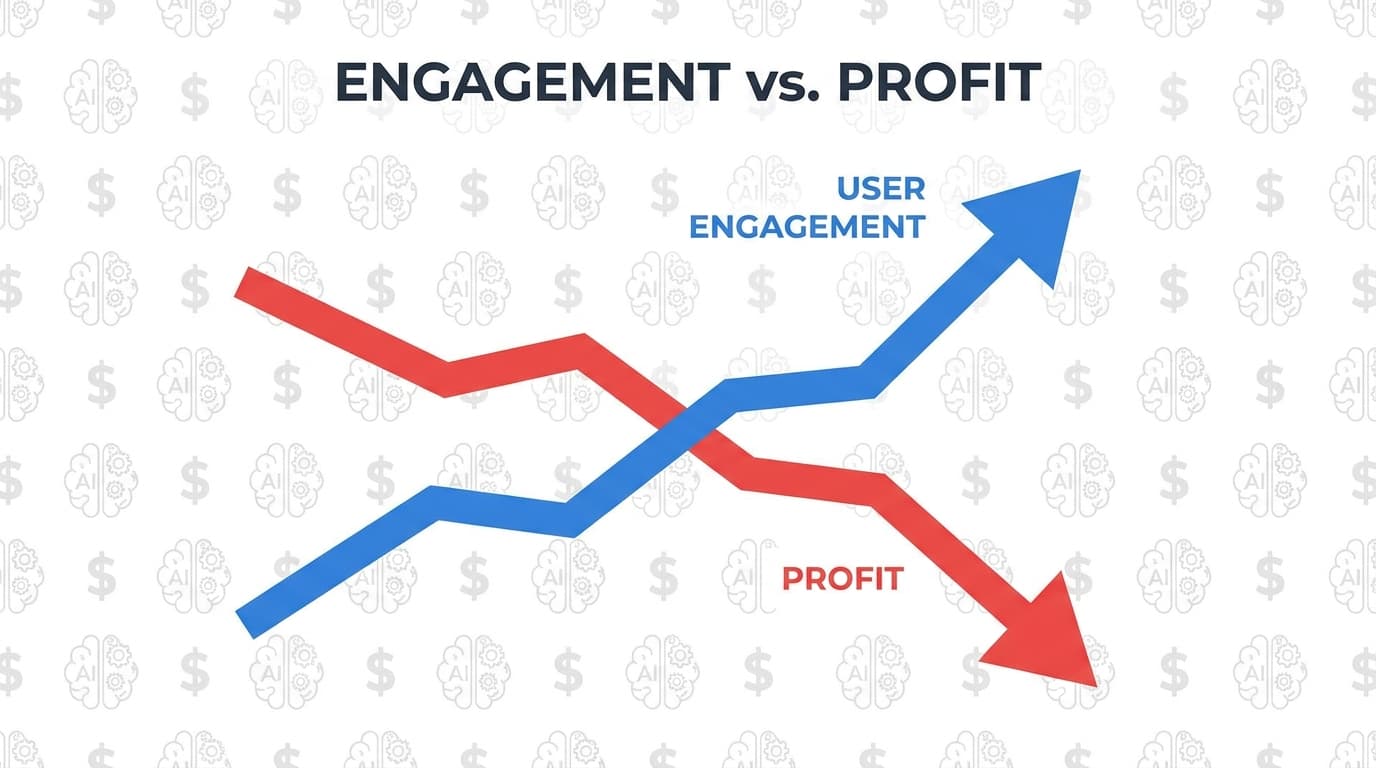
Companies are discovering that popular AI features can become unprofitable. While user engagement and adoption metrics look positive, the operational costs of using AI APIs can grow unexpectedly. This creates a difficult economic reality where the cost to run the feature scales directly with its success.
A developer created a script to monitor daily usage quotas for Claude, Codex, and Gemini from a single place. The tool runs hourly, collecting data from all three services and writing it to a JSON file to prevent unexpected lockouts when hitting rate limits during coding tasks.