ClickHouse Cloud has launched executable user-defined functions (UDFs) in public beta. This feature allows developers and data engineers to write functions in Python, upload them to a cluster, and call them directly from SQL queries, simplifying complex data processing and machine learning workflows.
ClickHouse announced several major updates at its Open House 2026 event. Key developments include deeper integration with Postgres, new data ingestion tools called ClickPipes and ClickHouse Agents, and a partnership with Langfuse for LLM observability. The updates aim to simplify real-time data analytics.
DuckDB, the popular in-process analytical database, has introduced a new remote protocol called Quack. It uses HTTP to enable a client-server model, allowing multiple users and applications to connect to and query the same database instance over a network, a significant shift from its embedded-only origins.
dbt Labs has launched dbt Agent Skills, a new feature in dbt Cloud. It allows developers to package data logic into reusable "skills" for AI agents. This helps agents answer data-related questions more reliably and accurately by using pre-defined logic instead of generating SQL from scratch.
Many organizations can't answer critical business questions because their data is siloed in separate systems. Databricks argues that by unifying disparate datasets—like customer records and sales figures—companies can uncover complex patterns, moving beyond basic historical reporting to make more informed decisions.
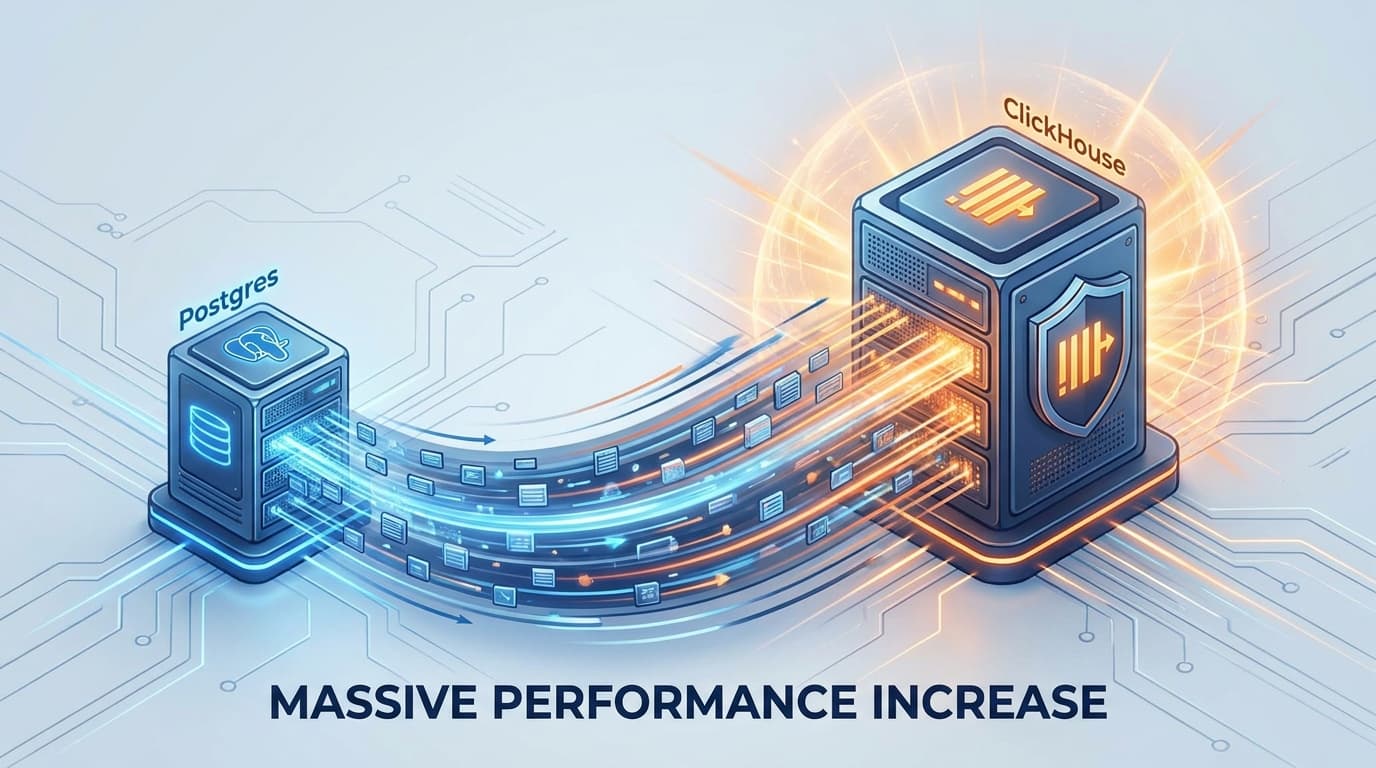
AI brand discovery platform ChatFeatured migrated its analytics database from PlanetScale Postgres to a Postgres-compatible service managed by ClickHouse. The switch, completed in 30 minutes, reduced complex query times from 2.5 minutes to under one second, significantly improving performance for its AI-powered features.